
Building a Digital Pathology Workflow in a Veterinary Academic Lab
How PIMSDX supports diagnostics, training, and collaboration
“Being able to view slides in a web
browser and collaborate on
annotations has been a game changer
for us.”
About this interview
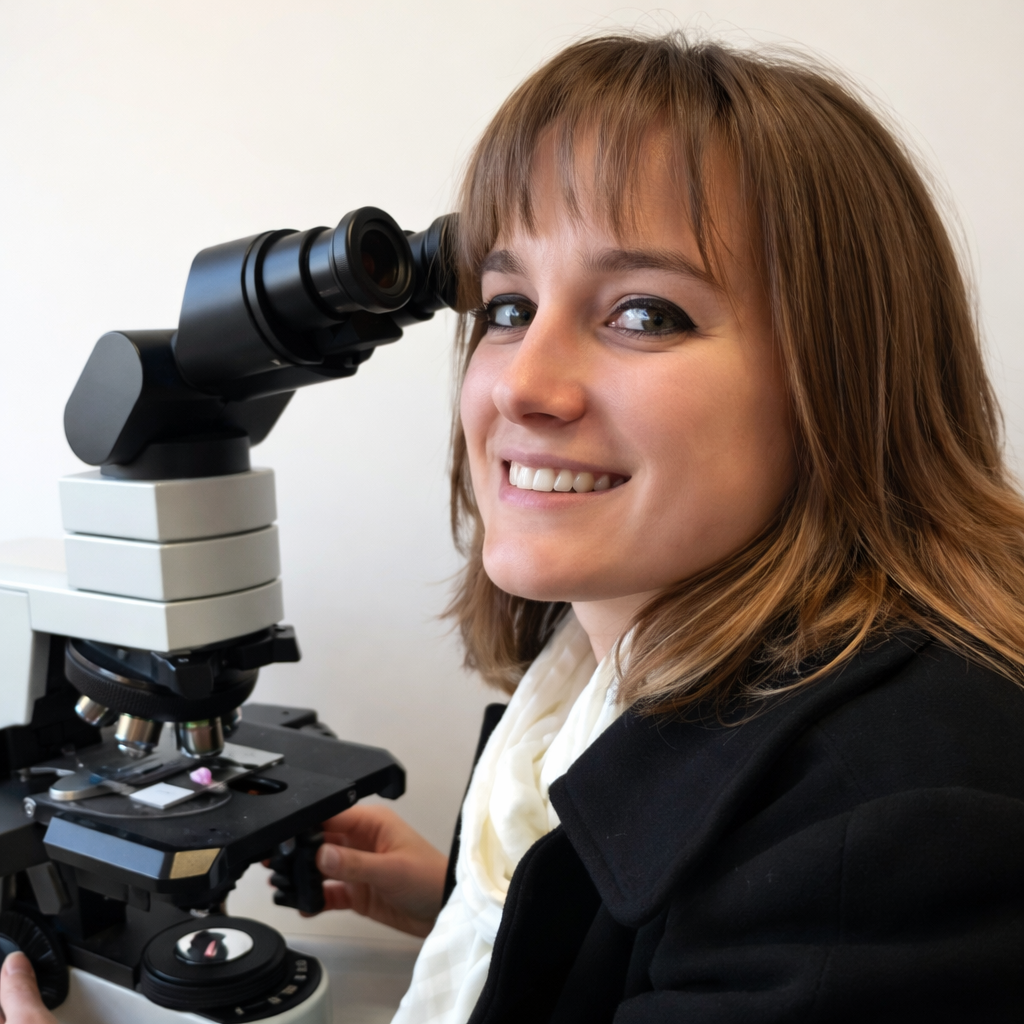
This case study is based on an interview with Dr. Megan Curnow, veterinary anatomic pathologist and head of the histopathology section and senior lecturer at a university diagnostic lab in Western Australia.
About the Lab
Dr. Megan Curnow leads the histopathology section of a veterinary diagnostic laboratory affiliated with a university in Western Australia.
The lab processes around 1,200 cases per year, primarily small animal surgical biopsies, while also providing post-mortem diagnostic services.
In addition to clinical diagnostics, the lab plays an important role in training pathology residents and supporting veterinary education.
The Starting Point: A Traditional Workflow
When Dr. Curnow joined the lab approximately two and a half years ago, the diagnostic workflow was entirely glass-slide based.
At the same time, Dr. Curnow works largely remotely, living far from the physical lab location. This made digital pathology a necessity rather than a luxury.
The lab purchased a slide scanner, but the system lacked a proper image management platform.
Whole slide images were stored locally and shared through SharePoint.
This quickly created significant challenges:
Extremely large file sizes
Limited laptop storage capacity
Frequent corruption of VSI image files
Difficult slide sharing workflows
“We were essentially working with raw scanner files and free image viewers, which caused a lot of technical issues.”
Evaluating Digital Pathology Platforms
Dr. Curnow evaluated multiple digital pathology solutions before selecting Pathomation.
Key evaluation criteria included:
Affordability for a smaller academic lab
Support for diagnostic workflows
The ability to create teaching datasets
Ease of slide sharing and collaboration
“Price was definitely a factor. We are not a massive commercial laboratory.”
The combination of PIMSDX for diagnostics and My Pathomation for educational use ultimately provided the flexibility the lab needed.
Implementing PIMSDX
Implementation of PIMSDX was relatively fast.
Once the agreement was finalized, the platform was deployed quickly and immediately improved the lab’s workflow.
Compared to the previous setup, the difference was dramatic.
“It was a thousand times better than what we were doing before.”
Slides could now be viewed directly in a browser without storing large files locally.
Improving Collaboration and Training
One of the biggest improvements came from the platform’s collaborative features.
The lab trains veterinary pathology residents, who review slides first and prepare draft reports.
With PIMSDX:
Residents can annotate slides
Pathologists can review those annotations
Cases can be discussed together digitally
This creates a collaborative diagnostic environment.
“Everything is saved in one place, so trainees can annotate slides and we can review them together.”
Enabling Remote Second Opinions
Using My Pathomation, the lab can easily share de-identified cases with external experts.
Instead of physically shipping slides, pathologists can send a secure link to the case.
This allows specialists to review slides quickly and provide feedback.
“I’ve already used it to share cases with external specialists for second opinions.”
Supporting Veterinary Education
Beyond diagnostics, the lab plans to build a large digital teaching archive.
Using My Pathomation, Dr. Curnow can collect interesting cases and combine them with:
Gross images
Histology slides
Cytology material
Clinical history
These teaching datasets can then be integrated with the university’s learning platform.
Key Takeaways
The implementation of PIMSDX helped this veterinary pathology lab:
Transition to remote digital diagnostics
Eliminate local storage issues
Enable collaborative training of residents
Share cases quickly with external specialists
Build digital teaching resources
For academic labs balancing diagnostics and education, digital pathology can become a central platform supporting both.
Looking Ahead
The lab continues to grow rapidly, with increasing case volumes and expanding staff.
Digital pathology will play an important role in scaling the workflow.
Future goals include:
Increased workflow automation
Improved case tracking and alerts
Expanded teaching datasets
Deeper integration between diagnostic and educational workflows